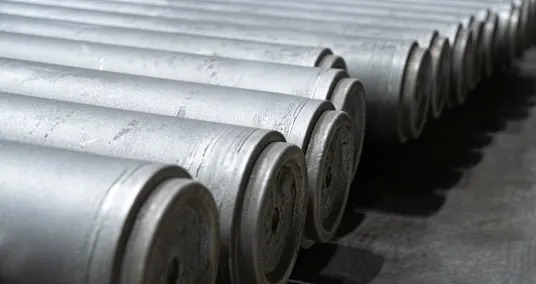
Fears of global aluminium shortages that could affect the production of clean energy technologies intensified after Iran struck two major Gulf aluminium producers, sending prices to a four-year high. The Middle East accounts for 9% of the world’s production of aluminum, which is essential to a wide range of industries from transportation, construction, and packaging, as well as the manufacture of solar panels, electrical transmission systems, wind turbines, and EVs.
Export shipments to the US and Europe had already come to a halt because of the effective closure of the Strait of Hormuz, and Morgan Stanley economists singled out aluminium as carrying a high level of risk across the value chain. Andy Farida, an aluminium analyst at Fastmarkets, told Semafor that high prices would be passed on to end-users, ultimately causing demand destruction. “A prolonged shutdown (with little to no alternative supplies other than Russia and China) could cripple the supply of aluminium to support the production of clean and green technology,” he said, adding that relief could come “if governments allow some sanctioned Russian and Chinese aluminium to be imported.”

LATEST POSTS



 Denny's is shutting down restaurants around the country. What's behind the closures?
- Going with Children: Tips for Tranquil Family Get-aways
- Hitting the brakes: Hubble Space Telescope watches doomed comet reverse its spin
- Finding the Universe of Workmanship: Individual Encounters in Imagination
- Vote in favor of Your Number one Smartwatch: Exactness and Style Matter
- Marvel's X-Men are joining the battle in 'Avengers: Doomsday': Watch the teaser
- Instructions to Choose the Best Web based Advertising Degree Program for Your Objectives
- The Response to Self-improvement: Embracing a Development Outlook
- How comfort foods trigger pleasure in our brains